
Why Do Concrete Driveways Crack and How Can It Be Prevented?
By Shreveport Concrete & Patio
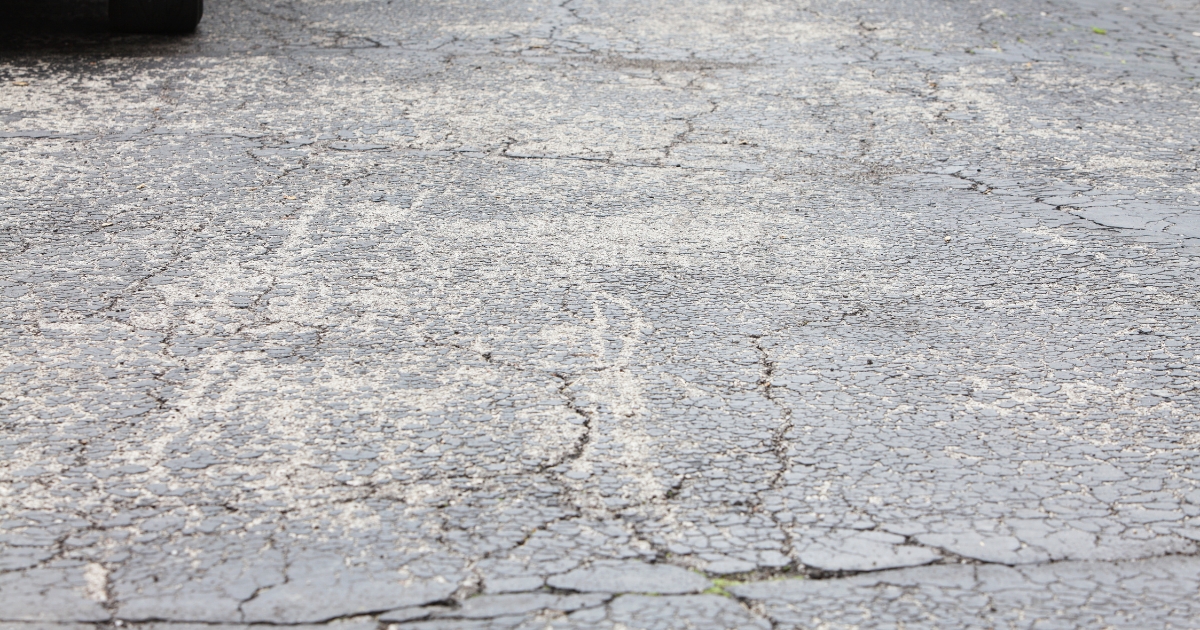
Concrete is strong—but it’s not invincible. At Shreveport Concrete & Patio, we often hear homeowners ask: “Why is my concrete driveway cracking?” The truth is, cracking is common—but also preventable when handled right.
Why do concrete driveways crack?
1. Shrinkage During Curing
As concrete dries and cures, it naturally shrinks. If not properly controlled with joints or moisture management, this shrinkage can lead to hairline cracks.
2. Poor Base Preparation
If the ground beneath the driveway isn’t compacted or leveled properly, the slab may shift or settle unevenly, causing structural cracks over time.
3. Heavy Loads
Excessive weight—like oversized vehicles or construction equipment—can stress and fracture the slab, especially if it’s thin or already weakened.
4. Freeze-Thaw Cycles
In colder months, water seeps into cracks, freezes, expands, and worsens the damage. Repeated cycles can significantly widen even small cracks.
How can cracking be prevented?
✔ Use Control Joints: These help manage where cracks occur, minimizing random breakage.
✔ Proper Base Prep: A stable, well-compacted base prevents uneven settling.
✔ Seal the Surface: A quality sealer repels water and protects against freeze-thaw damage.
✔ Avoid Overloading: Don’t park extremely heavy vehicles unless your slab was built for it.
✔ Schedule Maintenance: Regular inspection and sealing extend your driveway’s life.
Conclusion
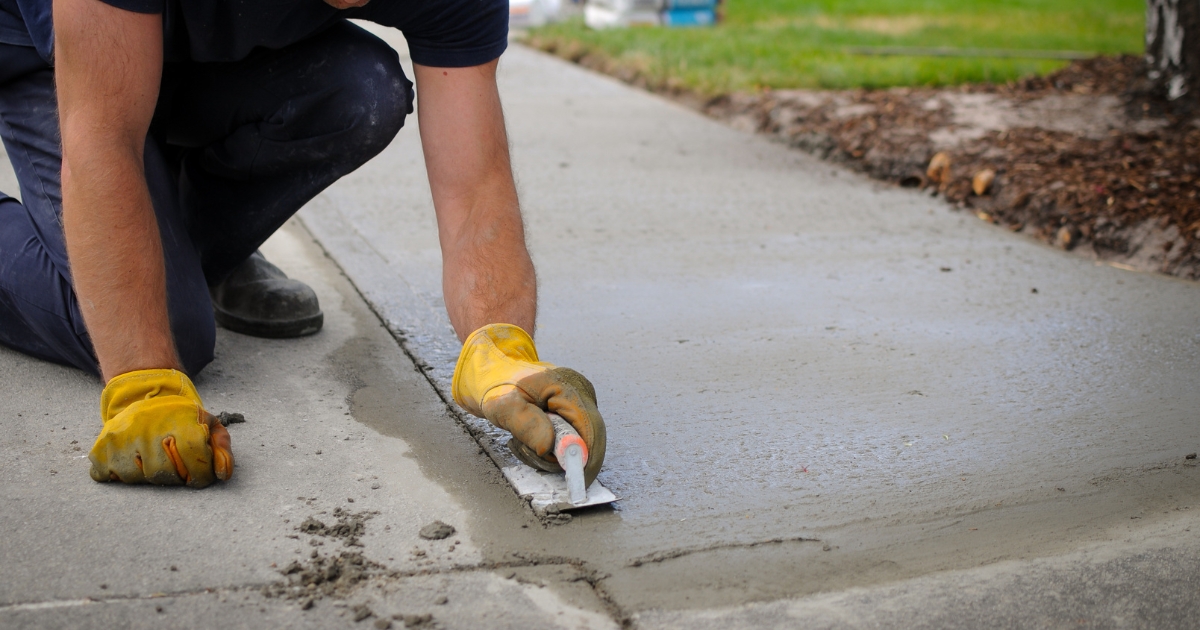
Cracks in your concrete driveway aren’t just unsightly—they’re a sign something needs attention. With smart design, regular maintenance, and professional installation, cracking can be minimized or prevented entirely. At Shreveport Concrete & Patio, we specialize in durable, long-lasting driveway solutions tailored to our Louisiana climate.
Concerned about your cracking driveway? Contact Shreveport Concrete & Patio today for expert help that keeps your concrete strong and smooth for years to come!