
What Are the Signs That It’s Time to Replace an Old Concrete Slab?
By Shreveport Concrete & Patio
Concrete is known for its durability, but like anything exposed to the elements, it won’t last forever. At Shreveport Concrete & Patio, we know how the Louisiana weather and shifting soil can wear down slabs over time. If your concrete is showing wear, here’s how to tell whether it needs repair—or full replacement.
When should I replace a concrete slab instead of repairing it?
Sometimes patching isn’t enough. You should consider replacement when:
Cracks are deep, wide, or spreading – Small surface cracks can be filled, but large or jagged ones signal structural failure.
Slab is sinking or uneven – Shifting soil under Shreveport slabs, especially clay-based ones, can cause dangerous unevenness that’s hard to fix with resurfacing.
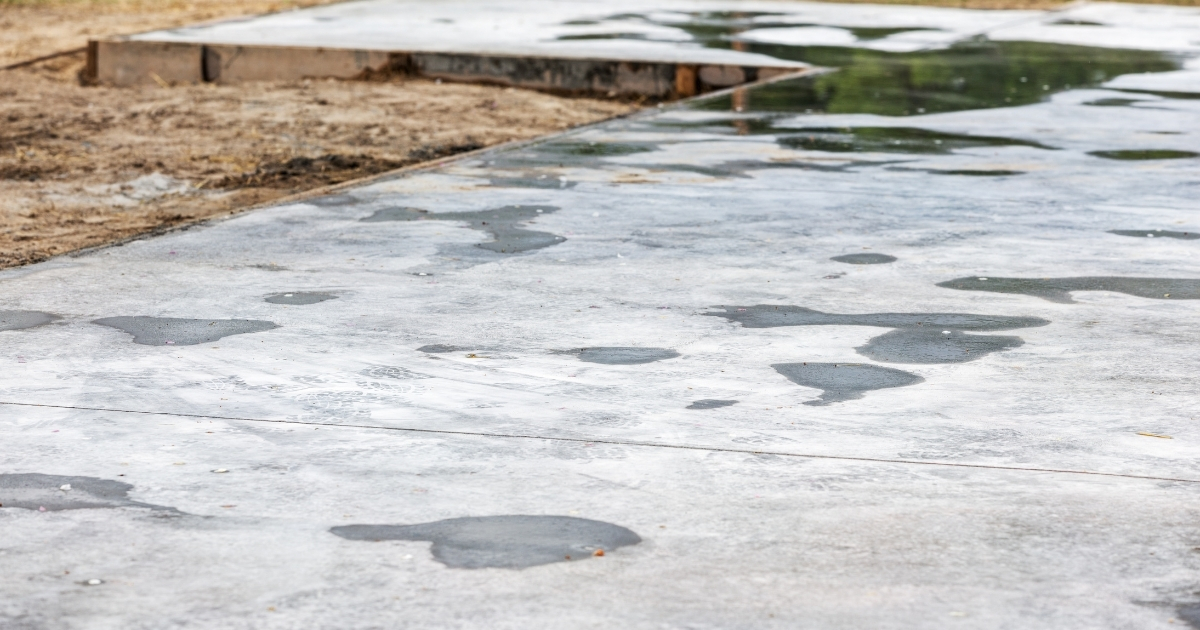
Drainage issues – If water pools consistently on or around the slab, it may indicate bad grading or underlying problems.
Chunks are missing or flaking off – Known as spalling, this is often due to freeze-thaw cycles and aging concrete.
Multiple past repairs – If your slab has been patched repeatedly, the integrity may be compromised.
Can a damaged slab be a safety hazard?
Yes. Uneven or crumbling concrete poses trip-and-fall risks, can damage vehicles, and even affect your home’s foundation if it’s a structural slab. Ignoring these signs can lead to bigger problems later.
How long should a concrete slab last?
With proper installation, a concrete slab should last 20–30 years. But climate, soil movement, and poor initial work can shorten that lifespan significantly.
Conclusion
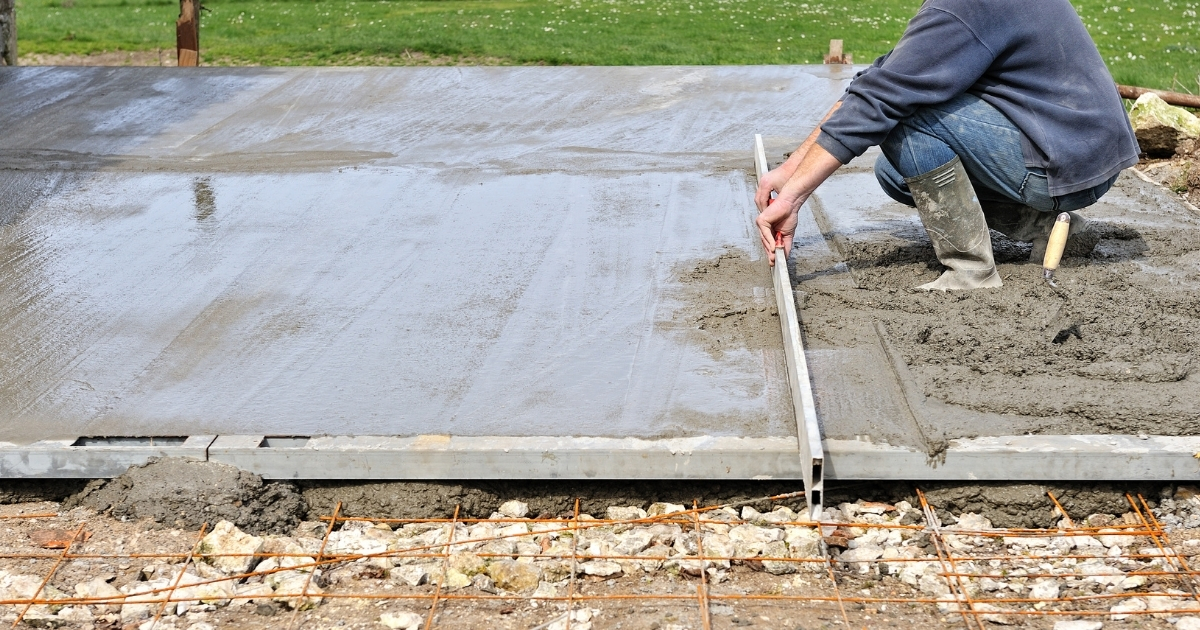
If your concrete is cracked, sinking, or beyond patching, it might be time to start fresh. At Shreveport Concrete & Patio, we assess each project carefully and offer honest advice on whether to repair or replace—ensuring your surface is safe, solid, and built to last.