
How can I prevent future concrete cracks?
By Shreveport Concrete & Patio
Concrete is built to last, but over time, it’s vulnerable to cracking due to weather, soil shifts, or everyday wear and tear. While small cracks are common, preventing major ones is key to maintaining your property’s value and safety. Luckily, there are several steps homeowners can take to reduce the risk of future cracks.
What Causes Concrete Cracks?
Before prevention, it’s important to understand why cracks happen:
-
Temperature changes that cause expansion and contraction.
-
Poor drainage leading to soil erosion beneath the slab.
-
Heavy loads exceeding the concrete’s design strength.
-
Improper installation or lack of control joints.
Knowing the root cause helps you choose the best prevention strategy.
How Can Sealing Concrete Help?
Sealing your concrete is one of the simplest ways to prevent cracks. A high-quality sealant blocks out moisture, reducing damage caused by freeze-thaw cycles and water penetration. It also protects against chemical spills and surface wear.
Does Proper Drainage Prevent Cracks?
Absolutely. Water pooling around your concrete can weaken the soil underneath, leading to settling and cracking. Installing proper drainage systems, grading the surrounding area, and directing water away from the slab can significantly reduce this risk.
Are Control Joints Important?
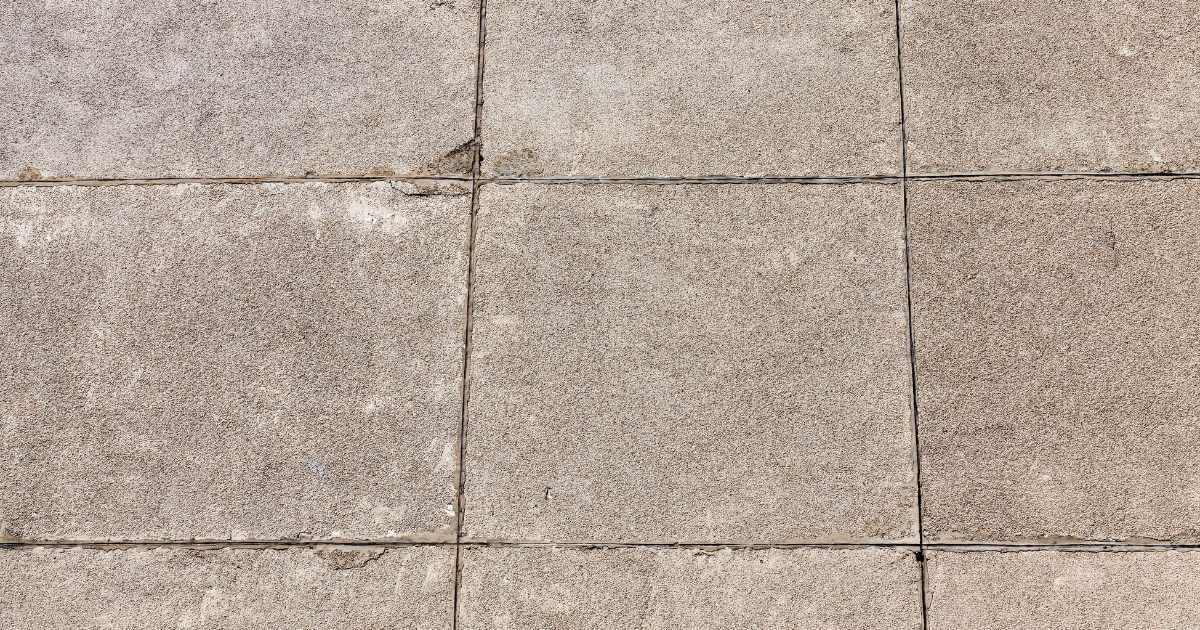
Yes. Control joints are intentional, shallow cuts made in concrete to direct natural cracking along specific lines. Without them, cracks may form randomly and spread across the slab.
Conclusion
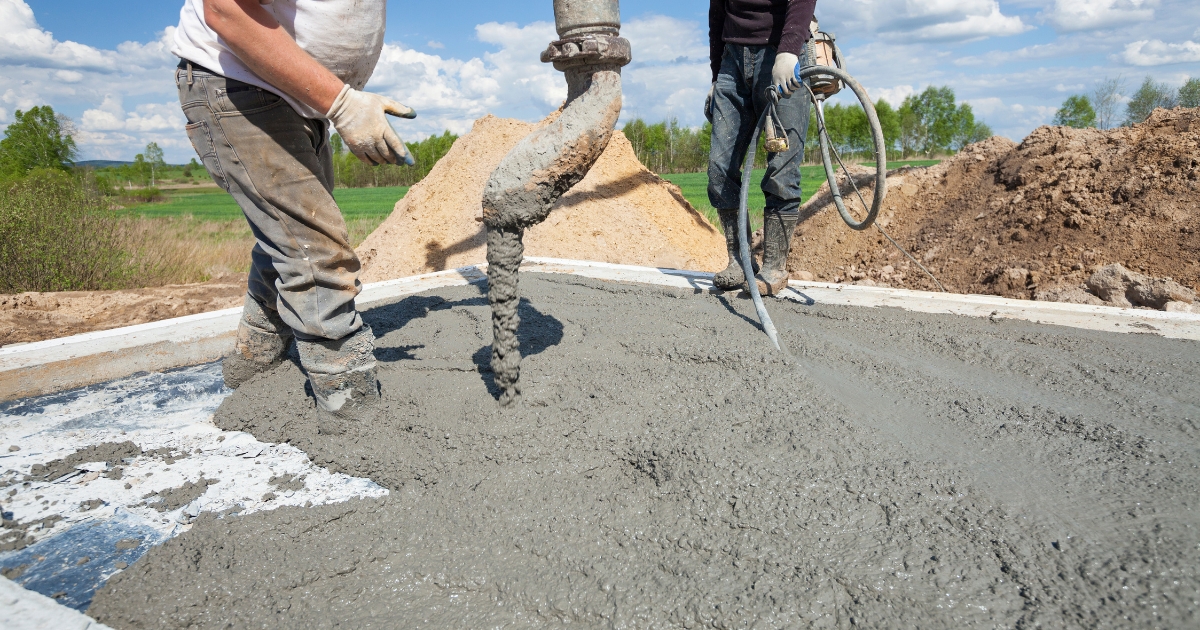
Concrete cracks may be common, but with the right preventative measures—like sealing, proper drainage, and professional installation—you can keep your concrete strong and durable for years. For expert maintenance and repair, trust Shreveport Concrete & Patio to protect and extend the life of your concrete.