
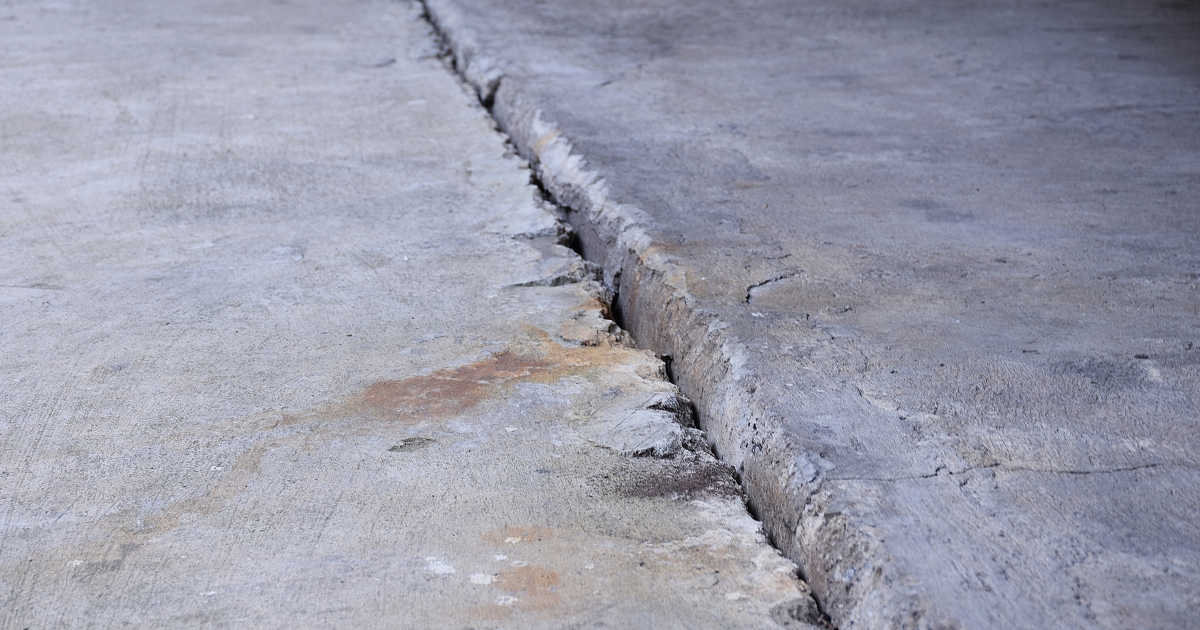
Why Does Concrete Crack Over Time?
By Shreveport Concrete & Patio
Concrete may seem rock-solid, but over time, even the toughest slabs develop cracks. At Shreveport Concrete & Patio, we often hear homeowners ask, “Why is my concrete cracking?” The answer lies in a mix of environmental factors, installation techniques, and natural wear.
Why does concrete crack?
Shrinkage During Curing
As concrete cures, it loses moisture and shrinks. If there’s not enough control or expansion joints, this shrinkage can lead to small surface cracks.Temperature Changes
Concrete expands in heat and contracts in cold. Over time, these movements cause stress—especially in climates like Shreveport’s with hot summers and cooler winters.Improper Installation
If the ground wasn’t compacted properly before pouring, or if the mix wasn’t right, cracks can appear earlier than expected. Uneven curing or lack of reinforcement also weakens durability.Heavy Loads or Settling Soil
Driveways, patios, and slabs can crack when they bear more weight than designed for—or if the soil beneath shifts or erodes.
Can cracked concrete be repaired?
Yes! Many cracks are cosmetic and can be sealed. Structural cracks may require professional repair or resurfacing to restore strength and appearance.
How can I prevent cracks in future pours?
Use proper reinforcement, apply control joints, allow adequate curing time, and hire experienced professionals familiar with local conditions.
Conclusion
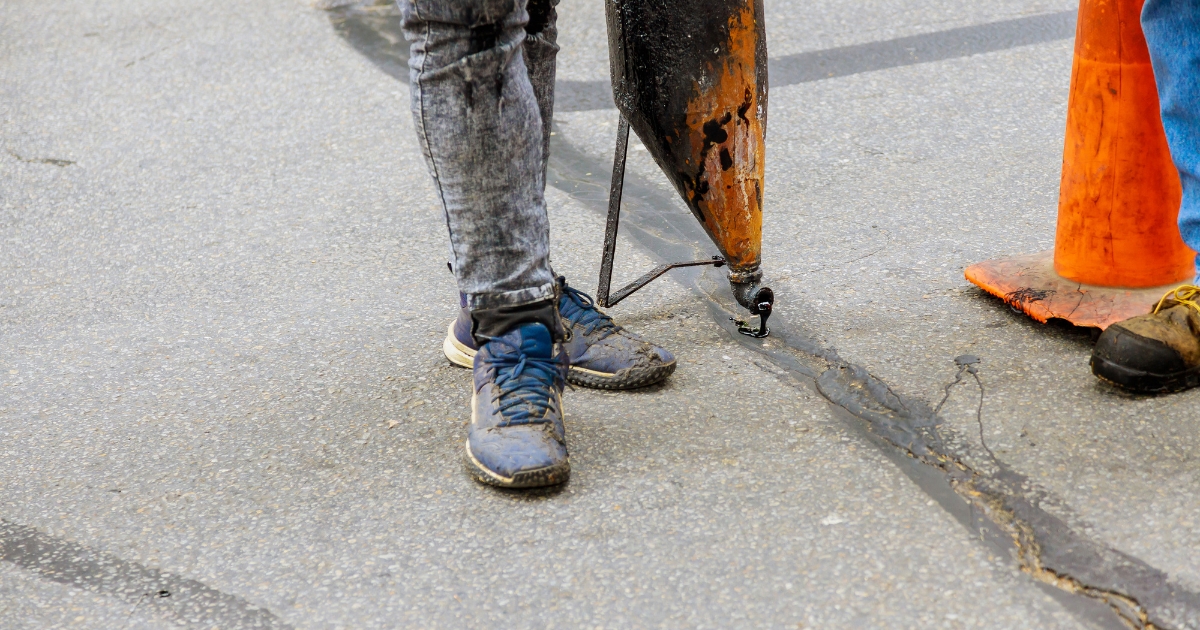
Concrete cracks are a natural part of its aging—but with the right preparation and maintenance, they can be minimized or prevented. At Shreveport Concrete & Patio, we understand the challenges posed by local soil and weather. Whether you need repairs or a fresh pour, our team ensures long-lasting, durable results built to handle Louisiana’s climate. Reach out today for expert concrete solutions!